
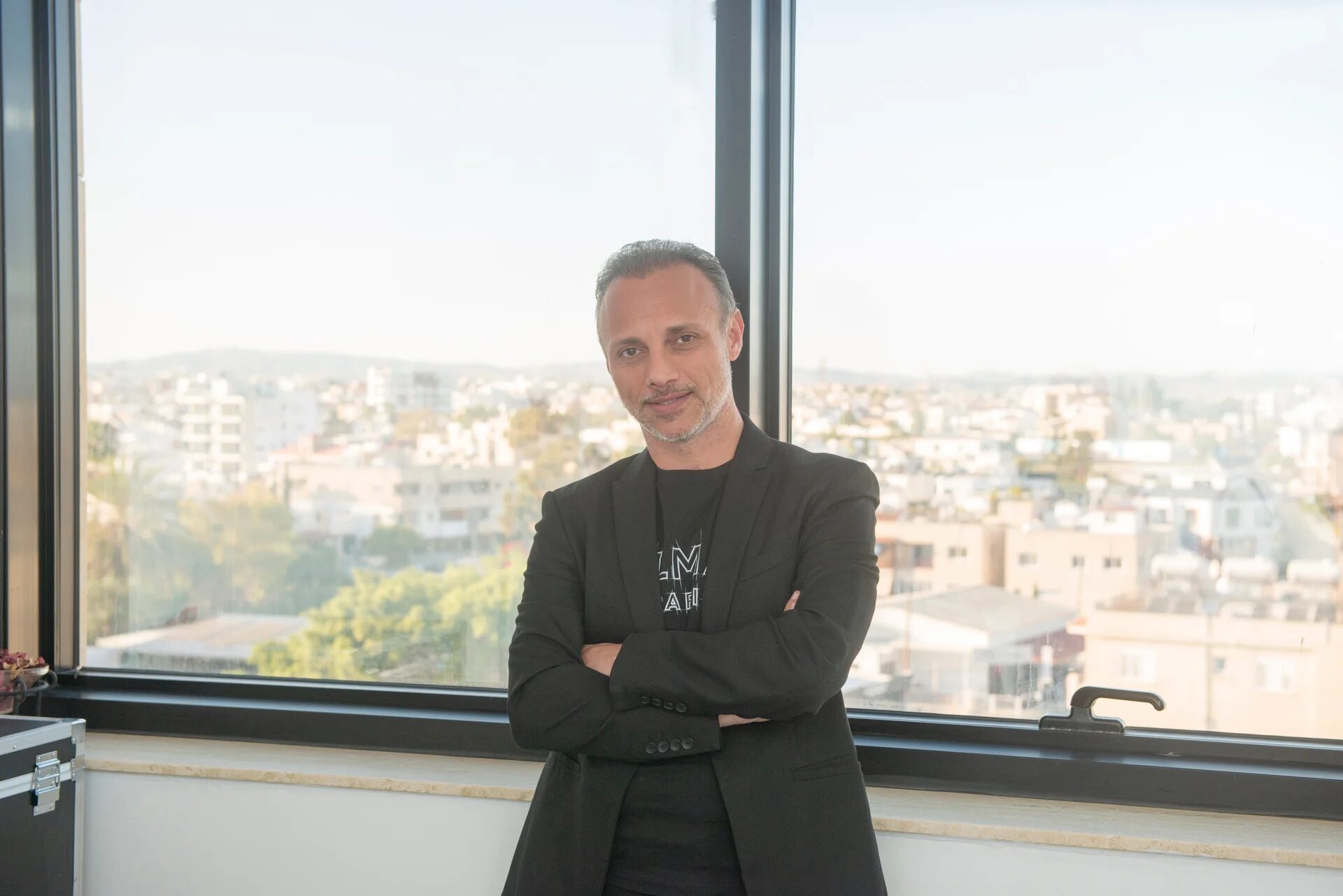
In this episode of the Hebe Medicare Podcast, we are honoured to host Dr. Giannoulis Petros, board-certified plastic surgeon and respected educator in aesthetic medicine. Recorded in Cyprus during his visit for an advanced training session, this conversation explores the foundations, evolution, and future direction of botulinum toxin treatments, with a strong emphasis on anatomy, precision, and natural outcomes.
Dr. Petros shares his extensive clinical background, beginning with his medical education in Greece and advanced surgical training in Germany, followed by years of hospital-based practice in plastic and reconstructive surgery. His experience spans aesthetic procedures, skin cancer management, burn treatment, and complex reconstructive cases—providing a surgical and anatomical depth that strongly informs his approach to non-surgical aesthetics.
A central focus of the discussion is Botox, widely recognised as the most in-demand aesthetic treatment globally. Dr. Petros explains why botulinum toxin remains unmatched in its ability to transform facial appearance when applied correctly, and why it is often the first aesthetic treatment patients choose. He walks through its mechanism of action, historical development, and the reasons it has become one of the most studied and analysed medical treatments in modern practice.
The conversation also examines how Botox techniques have expanded far beyond the traditional upper-face indications. From neck and jawline treatments to gummy smile correction and masseter hypertrophy, Dr. Petros highlights how detailed anatomical understanding and evolving techniques have positioned Botox as a powerful, minimally invasive alternative to surgical interventions—benefiting both physicians and patients.
A particularly valuable segment addresses treatment sequencing and combination protocols. Dr. Petros explains why Botox should be approached as a standalone first step, with fillers and biostimulators introduced only after muscular dynamics have stabilised. This insight underscores the importance of timing, tissue behaviour, and respecting the biological response when combining modalities.
Looking toward the future, Dr. Petros shares his perspective on the direction of aesthetic medicine in Cyprus and internationally. He emphasises the shift toward high-quality, certified materials, biostimulatory approaches, and above all, natural results. As patients increasingly prioritise skin quality, collagen stimulation, and subtle enhancement over exaggeration, education and precision become central to long-term success.
The interview concludes with advice for doctors entering the aesthetic field: study anatomy thoroughly, stay informed on global trends, and engage closely with reputable companies and structured training environments. According to Dr. Petros, aesthetic medicine is not learned through shortcuts—it requires responsibility, continuous education, and respect for both science and patient trust.
We invite you to watch the full interview below to gain Dr. Giannoulis Petros’s experience-driven insights on Botox, anatomy-led practice, and the future of regenerative and natural aesthetic medicine.


